Good to Know
- Misinformation = wrong information shared by accident. Someone thinks it’s true but it isn’t.
- Disinformation = wrong information shared on purpose to trick or confuse people.
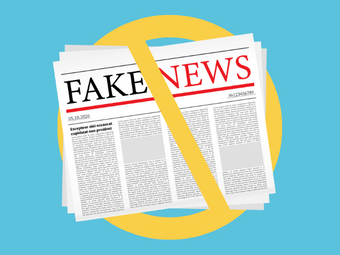
- Fake News = published articles, stories, images or videos that are not true. (Another term for misinformation/disinformation).
- Media Literacy = knowing how to understand, check and use information online and devices safely.
- Clickbait = content whose main purpose is to attract attention and encourage you to click on a link to a particular web page.
While there can be a lot of mis and disinformation online with a few simple tips and some practice, you can spot the fakes, protect yourself and even help friends avoid being tricked too. Let’s dive in and learn how to be smart online!
Misinformation VS Disinformation – what does it all mean?
Misinformation is wrong information shared by accident. Someone thinks it’s true but it isn’t. Meanwhile, disinformation is wrong information shared on purpose to mislead or confuse people. Think of it like rumours at school, college or university: if someone spreads a story thinking it’s true, that’s misinformation. If someone makes up a story to trick friends, that’s disinformation.
Misinformation and disinformation about health, elections, or world events can have a serious impact on peoples views.
Where You’re Most Likely to See These
You might think fake stuff only shows up sometimes, but it’s actually pretty common – even for adults. According to research from Ofcom, the UK’s communications regulator:
About 4 out of every 10 adults say they saw information they thought was false or misleading in just one month!
Of the people who did spot something wrong:
- 7 out of 10 saw it online, like on social media, videos, blogs, or news pages.
- 4 out of 10 saw it on TV (including news websites connected to TV stations).
- 2 out of 10 say they even saw it in printed newspapers or newspaper websites/apps.
The online world can be the biggest place for misinformation because so much content is shared quickly, and it’s easy for fake posts to spread before people realise they’re inaccurate.
In short: you’re most likely to find misinformation online, especially on social apps and websites you use every day. It’s less common on TV or in newspapers, but it can still appear there too, so it’s always smart to fact-check!
Fact-Checking: Why It Matters
Fact-checking means checking if something is true before you believe it or share it. It helps stop fake news from spreading and keeps you and your friends safe online. To fact-check, pause and think if a story sounds real, check where it came from, look to see if trusted websites like the BBC are reporting the same thing, and read more than just the headline. If something seems shocking, emotional or too crazy to be true, that’s a sign you should fact-check it.
5 Quick Tips to Spot Fake Stuff Online
- Think Before You Share – don’t send it straight away; pause and check if it’s true.
- Check the Source – Is the website or account trustworthy? Unknown websites can look official but aren’t.
- Read Beyond the Headline – Headlines can be clickbait. The story might be very different from what the headline says.
- Look for Evidence – Real info usually comes with facts, trusted links, or expert opinions.
- Shocking or Emotional Content – Posts designed to make you angry, scared, or shocked might be trying to manipulate you.
Why don’t you try habit stacking? It’s all about attaching a small new habit to something you already do automatically, so the next time you’re looking for information online or scrolling through your socials, simply stack one of the steps above onto that moment and let the habit grow naturally.
Why Media Literacy Matters
Misinformation and disinformation aren’t just buzzwords, they’re real challenges online. With simple habits, helpful tools and resources like BBC Verify, and some practice, you can become a confident fact-checker.
Always check before you share!